The things that decide what a house here is likely to need: geology, water, flood exposure, housing eras, and environmental history.
Fairfield Beach and Southport flood zones
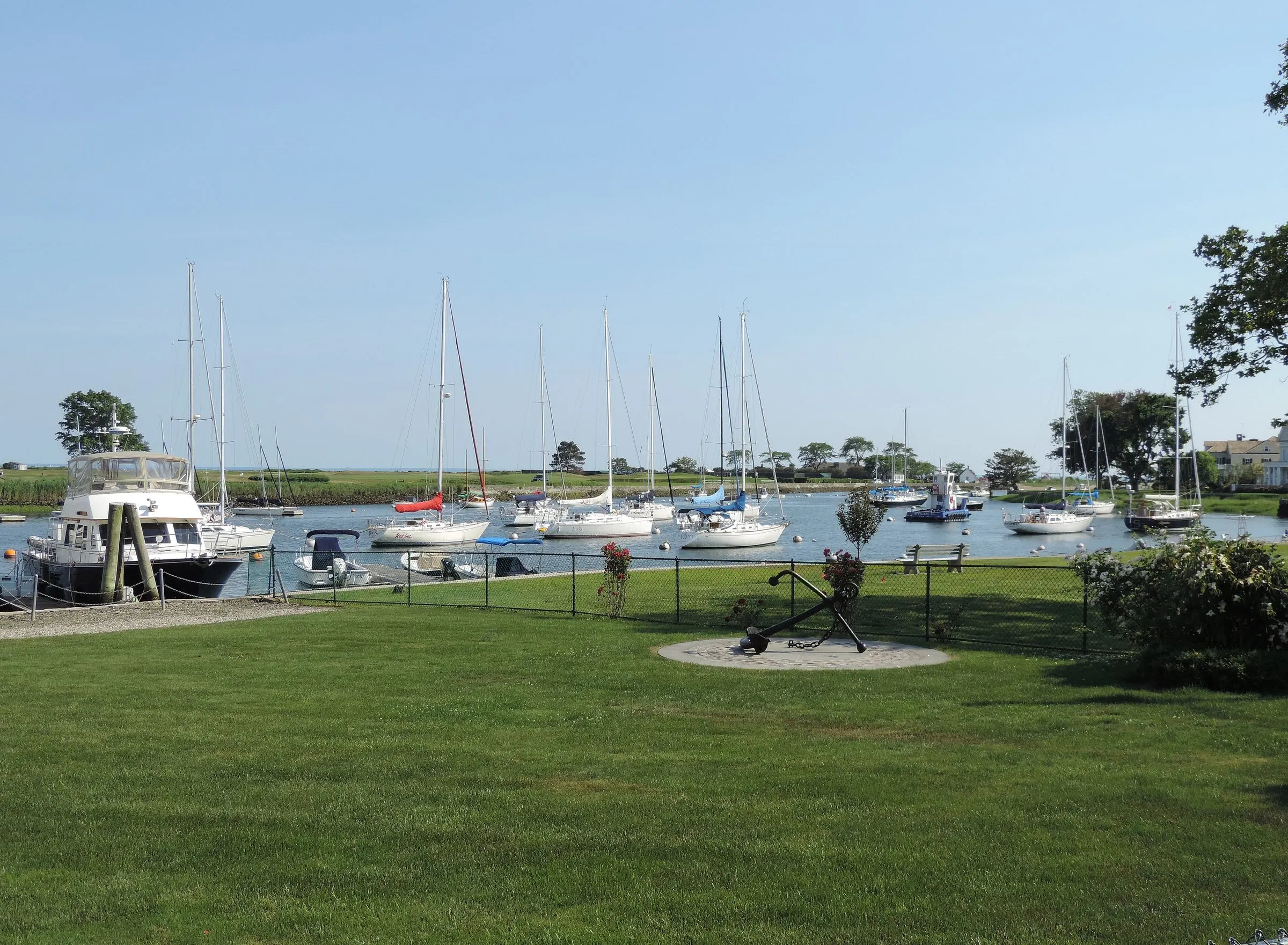
The beach neighborhoods and the low ground around Southport Harbor sit inside FEMA flood zones with elevation, venting, and mechanical-placement requirements. Sandy damaged a great deal of this shoreline in 2012, and the streets today mix elevated rebuilds with houses repaired in place.
The Rooster River and Mill River
Both rivers have flood histories and both run through developed neighborhoods. Inland flooding here is a genuine and separate question from coastal flooding, and the current FEMA mapping is the authority on any specific address.
Greenfield Hill antiques
The 18th and early 19th-century houses on and around Greenfield Hill carry hand-hewn framing, center chimneys, fieldstone foundations, sills near grade, and additions from every subsequent era. Distinguishing historic, settled movement from active movement is the central skill in inspecting them.
Septic in the north of town
The northern reaches of Fairfield are not comprehensively sewered, and private septic systems there deserve the same scrutiny as any other major system: tank condition, field performance, setbacks, and available replacement area.
Salt air at the shore
Within a few streets of the Sound, corrosion works steadily on condensers, heat pumps, railings, fasteners, and flashing. Whether previous replacements used marine-grade materials is worth establishing.
Radon: EPA Zone 1
Fairfield County is EPA Zone 1, the EPA’s highest-potential category. Between antique cellars on the hill and slab construction at the beach, the range of foundation types here is wide, and only a test settles it for a given house.