
Skip to content
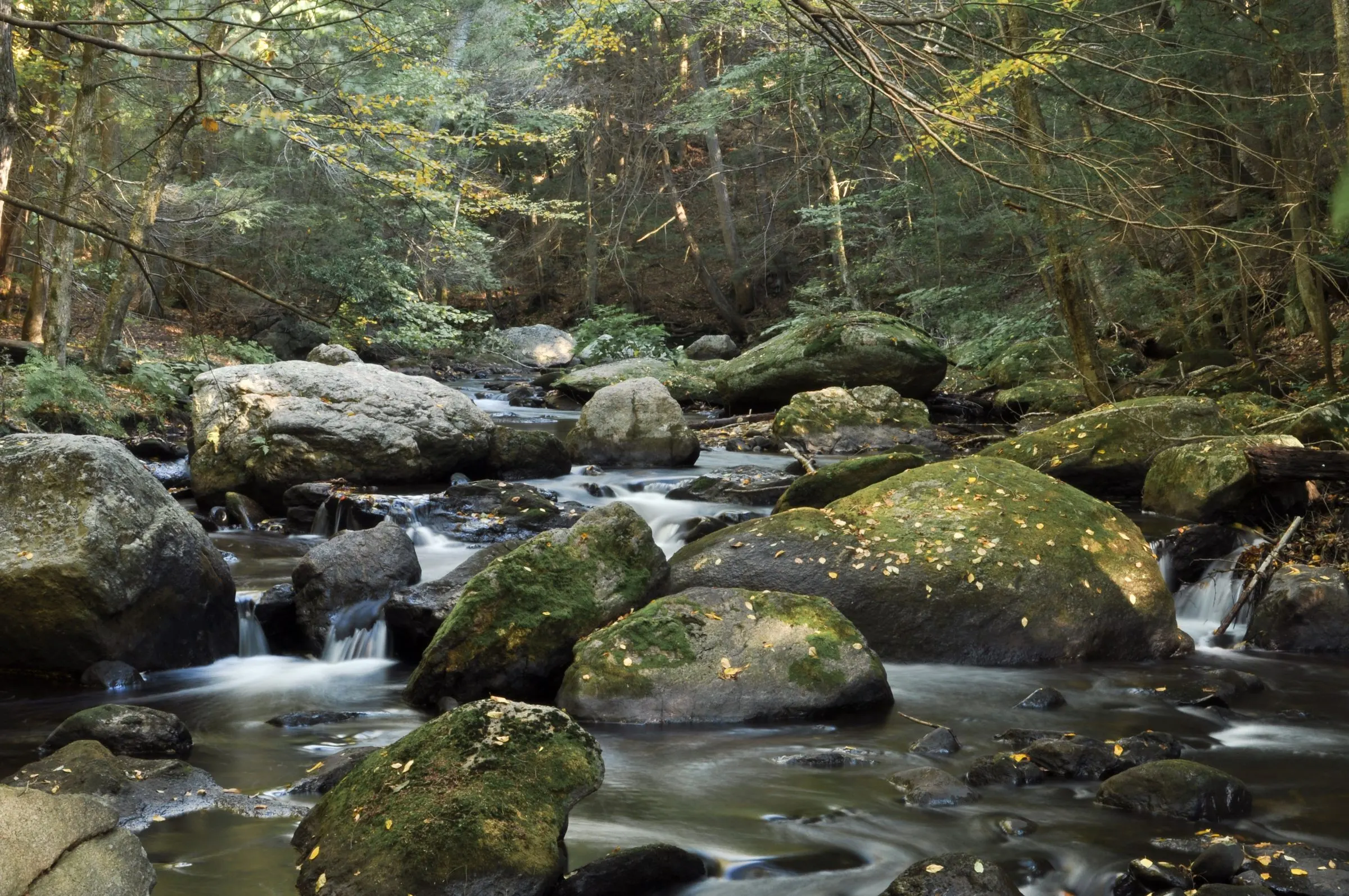
Roaring Brook running over mossy boulders through the woods of Cotton Hollow in early fall

Cotton Hollow, Glastonbury

Hartford County

Hartford County

Home Inspectors in Glastonbury, CT

Antique river-lowland houses and eastern-hills colonials on bedrock wells. Two towns in one.

About Glastonbury

Two different towns share the name Glastonbury. Both sit among the most sought-after addresses in Greater Hartford, and the housing in each has almost nothing in common with the other. Along Main Street and the Connecticut River lowlands are antique homes, a high concentration of 1700s Colonials and Federals, many with fieldstone foundations, hand-hewn framing, and generations of additions. Up in the eastern hills are 1980s through 2000s colonials on large lots, most of them on private wells drilled into bedrock.

Those two groups need almost entirely different inspections, and the difference between them is the single most useful thing to understand about buying here.

We inspect throughout Glastonbury: Glastonbury Center, South Glastonbury, Naubuc, Buckingham, Eastbury, Addison, and everywhere between.

Local Factors That Affect Glastonbury Homes

The things that decide what a house here is likely to need: geology, water, flood exposure, housing eras, and environmental history.

Connecticut River floodplain

South Glastonbury and the Naubuc area include land that floods during spring high water, and Roaring Brook has flood-prone stretches of its own. FEMA mapping is address-specific and is the first thing to establish on low-lying property.

Two bedrock types in one town

The western lowlands sit on Hartford Basin sandstone and shale. The eastern hills are Eastern Highlands metamorphic bedrock, rocky, steep, and the site of historic feldspar and mica quarrying. Almost everything else about inspecting a Glastonbury house follows from which side of that line it is on.

Radon in the eastern hills

Hartford County as a whole is EPA Zone 3, the lowest-potential category, and the eastern hills of Glastonbury are among the higher-reading areas in Connecticut. That contradiction is exactly why the EPA directs readers to the USGS report on radon variation within counties, and why the EPA says every home should be tested regardless of zone. Mitigation systems are common here and they work well.

Bedrock wells and what is in them

Most eastern-hills subdivisions draw from wells drilled into bedrock. Bedrock wells in eastern Connecticut can contain naturally occurring uranium, arsenic, and radon in water. None of these are detectable by taste, smell, or appearance, and none are covered by a basic bacteria-and-nitrates panel.

Septic on rocky, sloped lots

The same neighborhoods that have private wells have private septic systems, sited on ground that limits leach-field options. Tank condition, field performance, and available replacement area are all core purchase questions.

Antique housing and former farmland

Main Street and the surrounding lanes hold a significant concentration of 18th-century houses. Elsewhere, much of the town’s mid-density housing sits on converted orchard and farm parcels with variable soils and drainage.

What We Inspect Closely in Glastonbury

Every inspection covers the full standard scope. These are the items that get extra attention here, because of what the ground and the housing stock in Glastonbury actually do.

  • Expanded well-water testing: bacteria, nitrates, uranium, arsenic, and radon in water
  • Well flow testing on bedrock wells
  • Radon in air on nearly every inspection, regardless of the county zone designation
  • Septic tank condition, leach-field performance, and setbacks on rocky, sloped lots
  • FEMA status, basement moisture history, and foundation drainage near the river and Roaring Brook
  • Antique homes: sill and foundation condition, framing, chimney liners, older wiring and plumbing, and the quality of successive additions
  • 1980s–2000s colonials: roofs, water heaters, decks, windows, and other components reaching end-of-life together
  • Site grading and drainage on former orchard and farm parcels

Buying in Glastonbury

Glastonbury consistently ranks among the strongest markets in Hartford County, for its schools, its town center, riverfront access, and long-term value. Homes here are generally well maintained and turnover is low. The Rocky Hill–Glastonbury ferry across the Connecticut has been running since 1655, which tells you something about how long this has been a good place to live.

Well-water and radon testing are routine here, and treatment and mitigation systems are straightforward and effective where they are needed. Neither is a reason to look elsewhere. Both are simply part of what owning a house in the eastern hills involves.

What we bring to a Glastonbury inspection

One inspector, one visit, one report. Every service below is available on the same appointment.

Where this comes from

The local detail on this page is drawn from public records and published mapping, not from generalities. Nothing here describes any individual property. Flood status, radon, and system condition are always address-specific, and that is what an inspection is for.

Talk to your inspector

Schedule a Home Inspection in Glastonbury, CT

We inspect antique homes, new construction, and everything between throughout Glastonbury. Call or text Seth Madore directly, and you will not get an answering service.

  • Full photo report within 24 hours
  • Visual WDO inspection included free
  • CT licensed, HOI:0001410

Rather write? Ask your question and we will reply by email.

Also serving Hartford County

Glacial lake clay, wet basements, brownstone, and the Metacomet ridge.