The things that decide what a house here is likely to need: geology, water, flood exposure, housing eras, and environmental history.
Three rivers and a flood history
The Yantic, the Shetucket, and the Thames all shape the low ground here, and the city has a long flood record along them. Property near the water should have its FEMA mapping and basement moisture history established before an offer.
Very steep streets
Norwich is built on hills as sharp as any in Connecticut. Retaining walls of every era and material hold the terraces up, foundations are frequently cut into slope, and surface water always has somewhere downhill to go. Wall condition and site drainage are among the more consequential findings here.
Norwichtown’s 18th-century housing
Genuine colonial-era houses: hand-hewn framing, center chimneys, fieldstone foundations, sills close to grade, and additions from every era since. Distinguishing long-settled historic movement from active movement is the core skill in assessing them.
Mill-owner mansions and mill-village housing
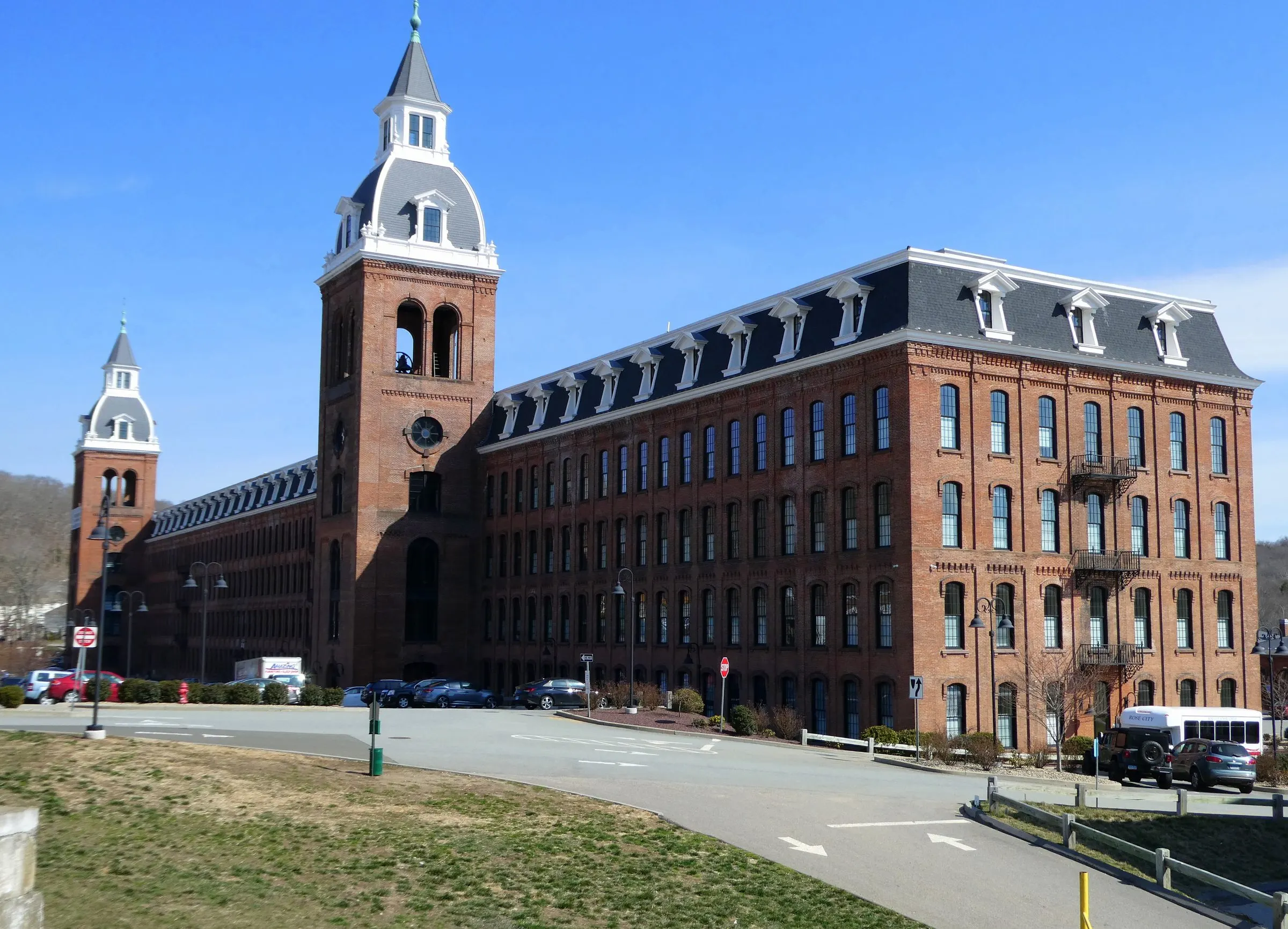
The Broadway-area mansions bring slate roofs, complex rooflines, extensive trim, and heating plants sized for a different century. The village housing at Greeneville, Taftville, and Occum brings dense worker housing and multi-family conversions with layered roofing, original wiring in walls, and generations of alteration.
Granite and shallow bedrock
Hard granite close to the surface across the county affects foundation construction, drainage and, outside the sewered areas, septic siting and well characteristics.
Radon: EPA Zone 1
New London County is EPA Zone 1, the highest-potential category. Granitic bedrock and old stone-walled cellars are exactly the combination where a measurement beats an assumption.